The Role of Independent Adjusters During Catastrophe Response
Published on September 18, 2026
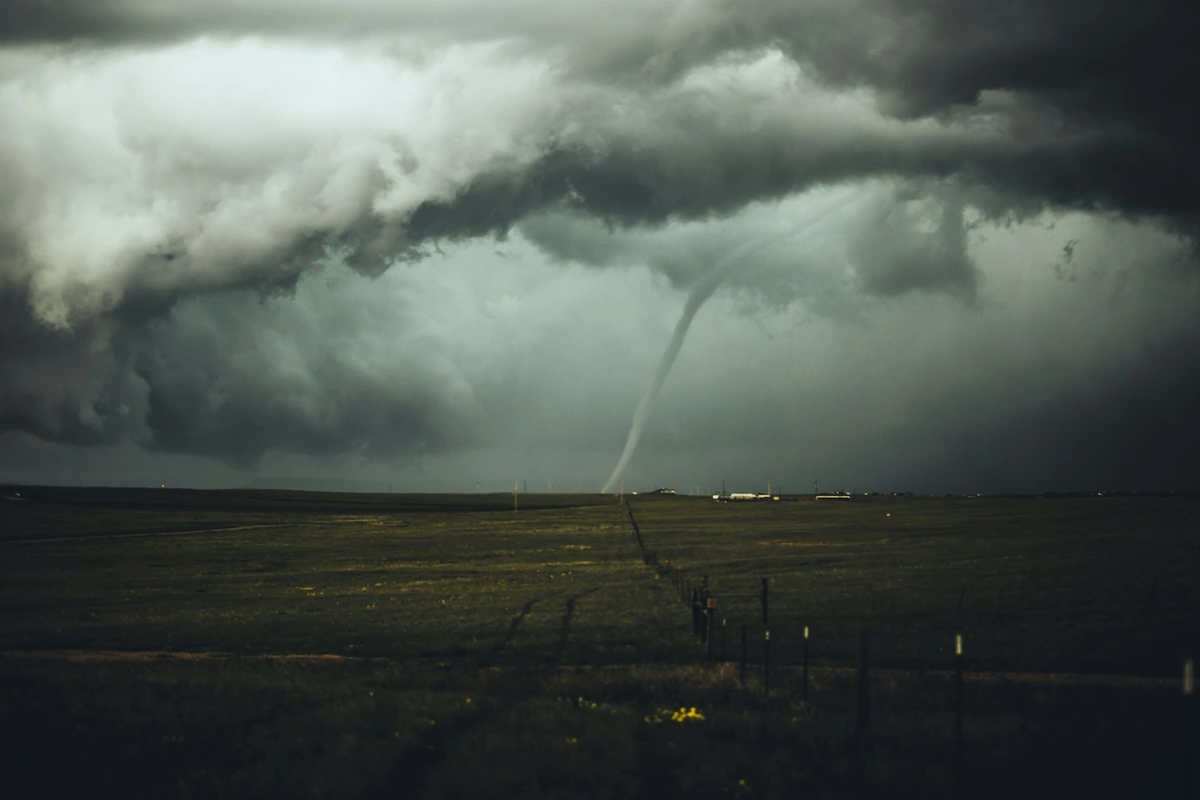
When a hurricane makes landfall, a severe storm moves through a populated area, or another major disaster causes widespread property damage, insurance carriers can face a sudden influx of claims. While carriers maintain claims teams to handle losses throughout the year, a large-scale catastrophe can create demand that extends well beyond normal staffing levels.
Independent adjusters can play an important role in helping the insurance industry respond to these events. By providing additional claims resources where and when they are needed, independent adjusters help carriers manage increased claim volume and begin moving policyholders through the claims process.
Responding to a Sudden Increase in Claims
One of the defining characteristics of a catastrophe is the number of losses that can occur within a relatively short period of time. A single hurricane, tornado outbreak, hailstorm, wildfire or other event may generate thousands of claims across an affected region.
This creates an immediate need for additional claims professionals.
Independent adjusting firms can provide carriers with the ability to expand their claims-handling capacity without maintaining that level of staffing throughout the year. Following a major event, independent adjusters may be deployed to affected areas to perform inspections, document losses and assist with other aspects of the claims process.
The scale of the response can vary considerably. A localized storm may require additional adjusters within a relatively small geographic area, while a major hurricane or other widespread catastrophe can require a much larger response involving claims professionals from across the country.
Deployment Following a Catastrophe
For independent adjusters, catastrophe response can involve rapidly mobilizing to areas where their services are needed.
Once conditions allow claims professionals to safely enter an affected area, adjusters may begin conducting inspections and gathering information about reported losses. Depending on the event, however, simply reaching policyholders can present challenges.
Road closures, damaged infrastructure, power outages, limited lodging and communication disruptions can all complicate catastrophe response. At the same time, policyholders may be dealing with significant damage to their homes or businesses and looking for information about what comes next.
This makes organization and communication particularly important during the early stages of catastrophe claims.
Triage and Managing Claim Volume
Not every claim resulting from a catastrophe will involve the same level of damage or urgency. Some properties may experience relatively minor losses, while others may be severely damaged or even uninhabitable.
With large numbers of claims arriving at once, carriers and claims organizations may use various methods to organize assignments and prioritize their response. Independent adjusters working within that process can help provide the field information necessary to move claims forward.
Technology has also changed how some catastrophe claims are handled. Mobile applications, digital photographs, aerial imagery, drones and remote inspection tools can supplement traditional field inspections in certain situations.
Even with these technologies, however, experienced claims professionals remain an important part of documenting damage and evaluating the circumstances surrounding a loss.
Documenting Catastrophe Losses
Thorough documentation is an important part of virtually any insurance claim, but catastrophe losses can present additional complications.
An adjuster inspecting a property after a major storm may need to document damage to roofing, siding, interior spaces, personal property or other structures. There may also be questions about the cause and extent of the damage, particularly when a property has been exposed to multiple conditions during the same event.
Photographs, measurements, estimates, reports and other documentation can help create a clearer record of the loss for the carrier.
In more complicated claims, additional professionals may also become involved. Engineers, building consultants, contractors, accountants, attorneys and other specialists can provide expertise when circumstances require a more detailed evaluation.
Communication With Carriers and Policyholders
Catastrophe claims can involve a considerable amount of coordination.
Independent adjusters typically operate according to the requirements and procedures established by the carrier or adjusting firm assigning the claim. Information collected in the field must be communicated back so that the carrier can evaluate the loss and continue processing the claim.
At the same time, adjusters may serve as one of the primary points of contact a policyholder encounters during the claims process.
That interaction can be particularly significant following a catastrophe. Policyholders may be dealing with damaged property, displacement from their homes, interrupted businesses and uncertainty about the claims process. Clear communication about inspections, documentation and next steps can help keep the process moving during an already difficult situation.
The Challenges of Catastrophe Adjusting
Catastrophe response can create demanding working conditions for claims professionals.
Adjusters may be responsible for managing numerous assignments while traveling throughout heavily damaged areas. Inspections can involve long days in difficult weather conditions, and the availability of hotels, restaurants, fuel and other basic services may be limited.
Claim volume can also remain elevated long after the initial event has passed.
Although the most visible part of catastrophe response occurs immediately following a disaster, the claims process may continue for months or longer as repairs are completed, additional damage is discovered and more complex claims are resolved.
An Important Part of the Industry's Catastrophe Response
Major catastrophes place unusual demands on nearly every part of the insurance industry. Carriers, independent adjusting firms, contractors, attorneys, engineers and numerous other professionals may all become involved in responding to the resulting losses.
Independent adjusters provide one of the industry's primary ways of adding claims-handling capacity when that demand suddenly increases.
From inspecting damaged properties and documenting losses to communicating information between policyholders and carriers, their work helps support the broader claims process during some of the industry's busiest and most challenging periods.
As severe weather and other catastrophic events continue to create periods of concentrated claim activity, the ability to quickly mobilize experienced claims professionals will remain an important part of how the insurance industry responds.